Japan and Korea · Soft / Airy
Wabi-Sabi Soft / Airy Wellness Painting Theme
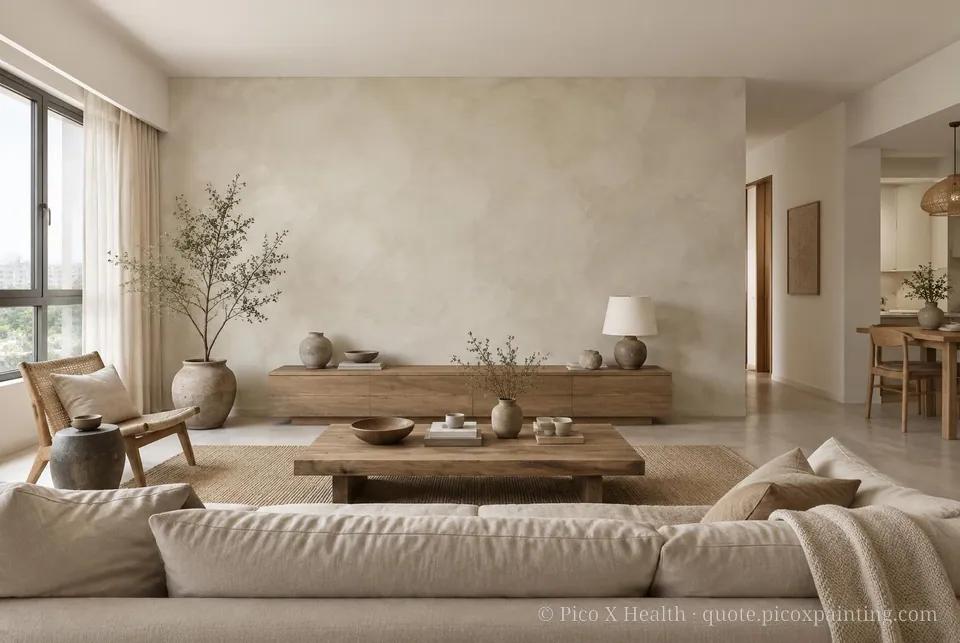
Wabi-Sabi Soft pairs Gush Tangyuan (WH007A) on the main walls with a Raffles Soft Linen limewash feature wall — a warm, high-contrast earth neutral scheme that feels quiet, artisanal. It suits the living room or dining room, and works with clay pottery, raw timber, handmade ceramics. Its warm undertone glows under 3000K warm white in the evening; under 5000K daylight bulbs it reads cleaner and less golden. Wabi-sabi is a centuries-old Japanese aesthetic shaped by Zen Buddhism, valuing imperfection, impermanence, restraint and the visible passage of time.
Quick answer
What colours are in the Wabi-Sabi Soft limewash theme?
The Wabi-Sabi Soft theme uses Gush Tangyuan (WH007A) on the main walls and Raffles Soft Linen limewash on one feature wall. It is a warm earth neutral scheme best for the living room or dining room, available in Singapore from $1,688 for Condo and HDB units below 1,000 sqft.
- Main walls: Gush Tangyuan (WH007A)
- Feature wall: Raffles Soft Linen limewash
- Best room: Living Room, Dining Room
- Mood: Quiet, artisanal
- Price: From $1,688 (Gush Core) · From $2,088 (Gush Care)
Package
Design history
History and meaning
Colour selection
Gush Core/Care main walls
Raffles Lime Wash textured swatch
- Gush Core/Care main walls: Tangyuan (WH007A) #e3dfd6
- Raffles Lime Wash feature wall: Soft Linen textured official swatch reference
- Contrast: High
- Undertone: Warm
- Best room: Living room / dining
- Materials and furnishing cues: Clay pottery, raw timber, handmade ceramics
- Official references: Gush Core Tangyuan WH007A, Raffles R.LIMEWASH SOFT LINEN (TOP PICKS)
Colour wellness
How it feels at home
Tangyuan on the main walls keeps the Wabi-Sabi scheme lighter, airier and practical for living room / dining. Soft Linen as the Raffles R.LIMEWASH feature wall gives a subtle mineral layer that fits clay pottery, raw timber, handmade ceramics. The warm undertone makes the room feel settled and welcoming, while the limewashed focal wall adds sun-baked texture without making the home feel heavy.
Colours under different light
From warm evening to clear daylight
3000K · Warm white
4000K · Neutral white
5000K · Daylight white



Furnishing options
Build the room around the wall.
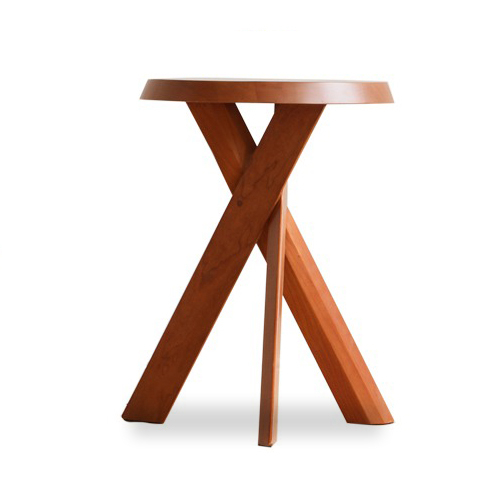
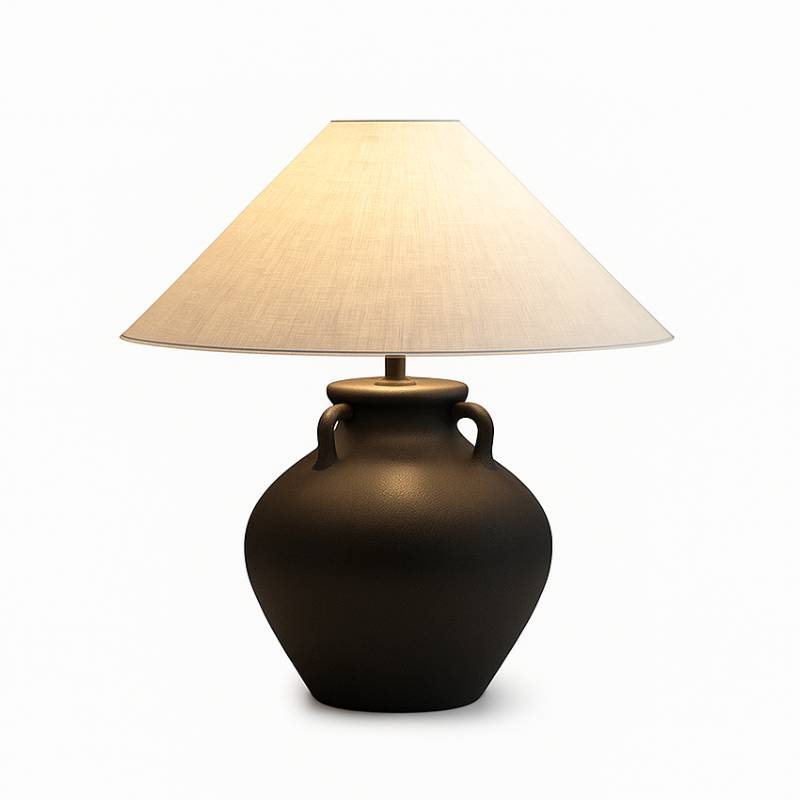
- Clay pottery: use this as a furnishing cue so the wall colour feels intentional with your sofa, rug, table and lighting.
- raw timber: use this as a furnishing cue so the wall colour feels intentional with your sofa, rug, table and lighting.
- handmade ceramics: use this as a furnishing cue so the wall colour feels intentional with your sofa, rug, table and lighting.
Questions
Wabi-Sabi Soft limewash theme — FAQ
Which room suits the Wabi-Sabi Soft theme?
How is Wabi-Sabi Soft different from Wabi-Sabi Rich?
How much does the Wabi-Sabi Soft limewash theme cost in Singapore?
Related limewash colour combinations
- Taiwanese Warm Minimalism Soft / Airy — Soft Linen limewash
- Tonal Neutral Soft / Airy — Soft Linen limewash
- Transitional Soft / Airy — Soft Linen limewash
- Warm Minimalism Soft / Airy — Soft Linen limewash
- Balkan Modern Soft / Airy — Steel Blue limewash
- Baltic Minimalism Rich / Statement — Steel Blue limewash
Browse all 332 limewash colour combinations