Best Paint for HDB Humidity & Mould in Singapore (2026)
What is the best anti-mould paint for HDB humidity?
Singapore HDB flats face 70–90% relative humidity, so anti-mould paint should be paired with ventilation and condensation control. Compare Nippon, Zinsser, Gush and Dulux by mould resistance, VOC level, surface preparation needs and manufacturer datasheets. HDB logged 240 condensation or mould complaints in 2025.
Singapore averages 70–90% relative humidity year-round, and HDB received 240 condensation/mould-related complaints from aircon-driven cases in 2025 alone (Straits Times, Jan 2026). Anti-mould paint is part of the answer — but only part.
Last reviewed: 2026-05-23 · Author: Pico X Health editorial team
Why Singapore HDBs get mould
Three structural drivers, repeatedly identified by MND parliamentary replies [2] and by recent reporting from The Straits Times [1]:
- Condensation on under-cooled ceilings near air-con trunking — exacerbated when a neighbour above runs very low temperature.
- Slab water ingress from upper-floor wet zones, kitchens or planter boxes.
- Sustained high relative humidity in poorly ventilated rooms, consistent with NEA indoor air guidance [3].
Paint is the last line of defence; it cannot compensate for an unresolved water source.
Anti-mould paint products we trust in Singapore
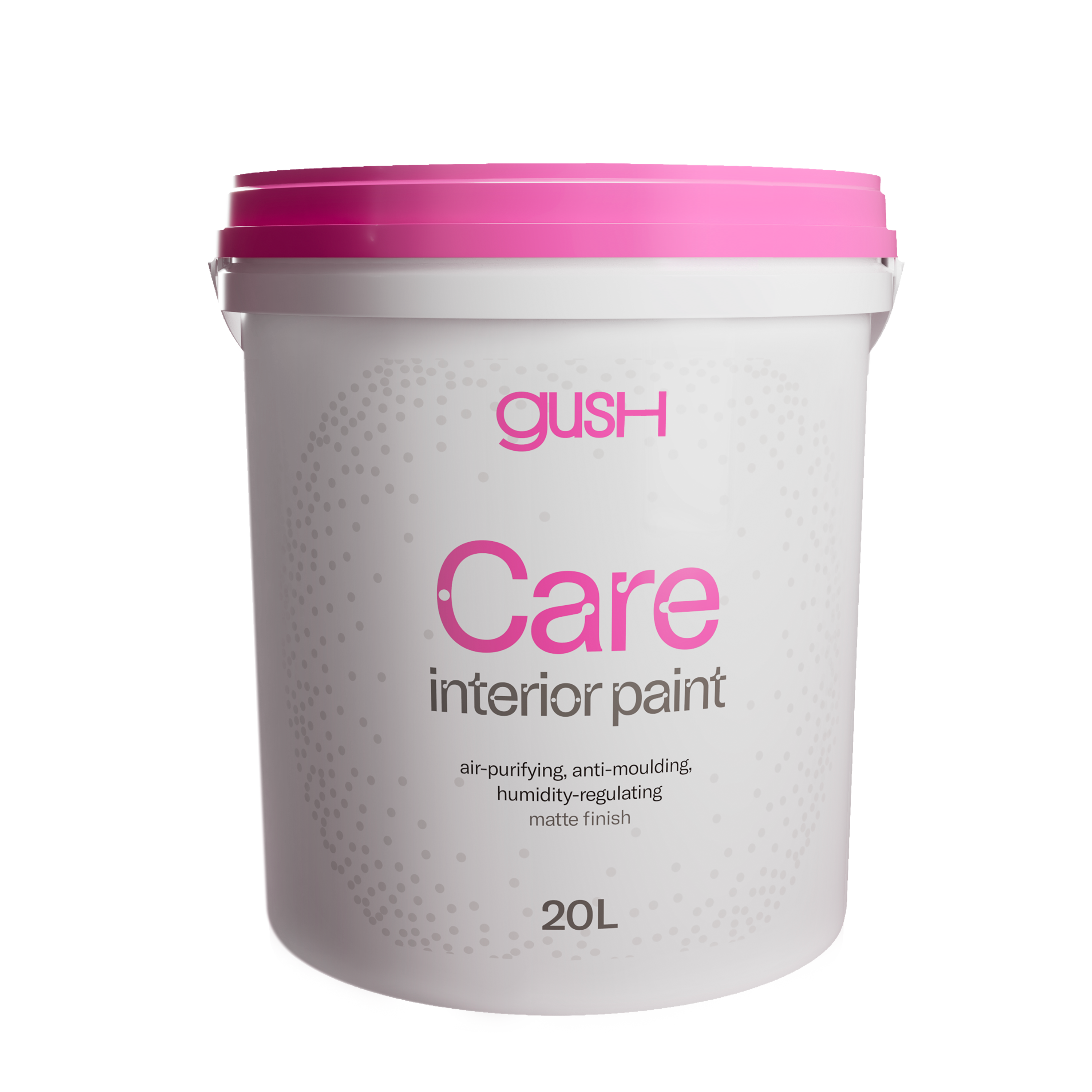
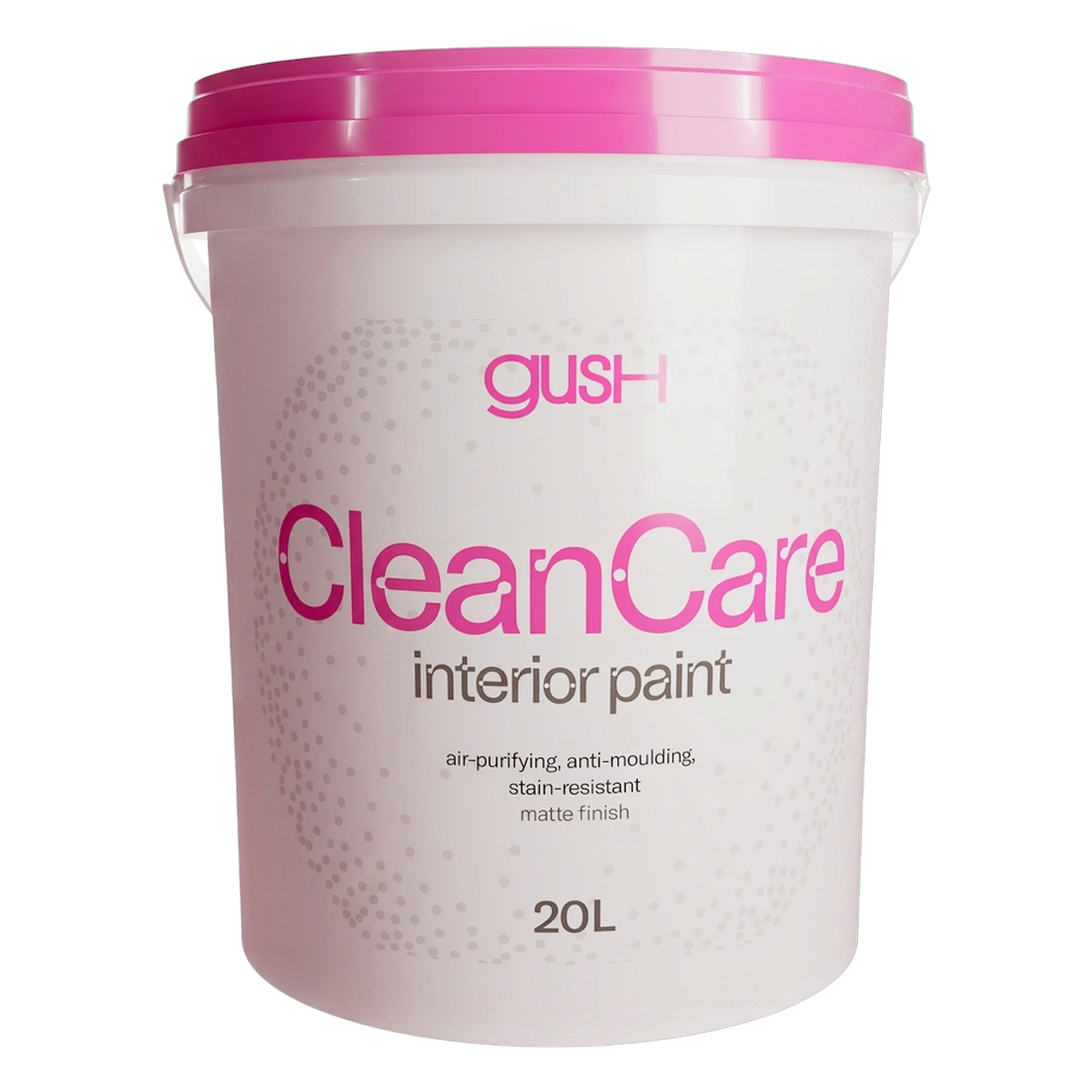
- Gush Care — Singapore-based; marketed as humidity-control, anti-mould, anti-bacterial and air-purifying per the official product page [4]. Premium price; recommended for bathrooms and laundry areas.
- Dulux Wash & Wear — anti-mould and anti-bacterial silver-ion claims [5]. Strong washability for kitchen splash zones.
- Nippon Odour-less All-in-1 — useful general-purpose with anti-fungal additives in selected SKUs [6].
How anti-mould paint actually stops mould
Anti-mould paints don't just hide mould — they're formulated to prevent the conditions mould needs to grow. Most work through a combination of three mechanisms:
- Fungicidal additives in the paint film. Silver-ion, zinc pyrithione or similar biocides are dispersed throughout the dried coating. When spores land on the surface, the active ingredient disrupts their cell membranes before they can colonise [5].
- Low surface porosity. Premium anti-mould emulsions cure to a tighter film than standard interior paint. Less moisture is absorbed into the wall, so the damp micro-environment mould needs simply doesn't form on the surface.
- Alkaline or hydrophobic chemistry. Mineral-based and silicone-modified products (and limewash) maintain a high-pH or water-repelling surface that is hostile to fungal growth even under high humidity [4].
The result is a coating that doesn't kill mould already in the wall — that's what the prep and primer are for — but actively resists new colonisation for the life of the paint film, typically 3–5 years under Singapore conditions before the biocide leaches out and re-coating is advised.
What anti-mould paint will not do
- Stop active water ingress from above (that is a building defect; talk to HDB [2]).
- Survive trapped moisture if you apply it before the wall fully dries.
- Permanently sterilise the wall — it slows re-colonisation; it does not prevent it.
Pricing context
Our anti-mould HDB ceiling treatment starts From $199 per ceiling section including prep, primer, full coverage and 1-year workmanship warranty. See HDB mould & humidity paint solutions.
Not sure which brand fits your home?
Send us your floor plan and pain points. We'll specify the right paint, line by line — no upsell.
References
- The Straits Times — 240 HDB condensation and mould cases reported in 2025 (Jan 2026). Accessed 2026-05-23.
- MND Parliamentary Reply on HDB Mould Growth Rectification (Feb 2023). Accessed 2026-05-23.
- NEA Guidance on Improving Ventilation and Indoor Air Quality. Accessed 2026-05-23.
- Gush Care humidity-control interior paint product page. Accessed 2026-05-23.
- Dulux Singapore — Wash & Wear product overview. Accessed 2026-05-23.
- Nippon Paint Singapore — Odour-less All-in-1 product page. Accessed 2026-05-23.
- BCA Green Mark for Non-Residential Buildings (NRB:2015). Accessed 2026-05-23.
Where the figure was not from a public source, the page attributes it to Pico X Health field observation with the relevant year range.